3 Flaws of a Mini Facelift: Why Deep Plane Facelift is the Answer?
2026-04-26
Noonopi Plastic Surgery · Dr. Nk Park
Structural Limitations & Side Effects of the Mini Facelift
Hello, I am Dr. Nk Park, the Director of Noonopi Plastic Surgery Korea. During consultations, many patients ask for a mini facelift (or mini lifting) because they are intimidated by scars and want a "quick recovery." While the promise of a minimal incision is tempting, as a specialist dedicated to Deep plane facelift, I have significant concerns about this approach for many candidates. Today, I want to pull back the curtain on the marketing hype and discuss three structural flaws of the short-incision mini facelift that lead to suboptimal results.
Error 1. The Paradox of Vertical Vector: Unnatural Tension and Bunching
Most mini facelifts involve a short incision near the temples or sideburns.
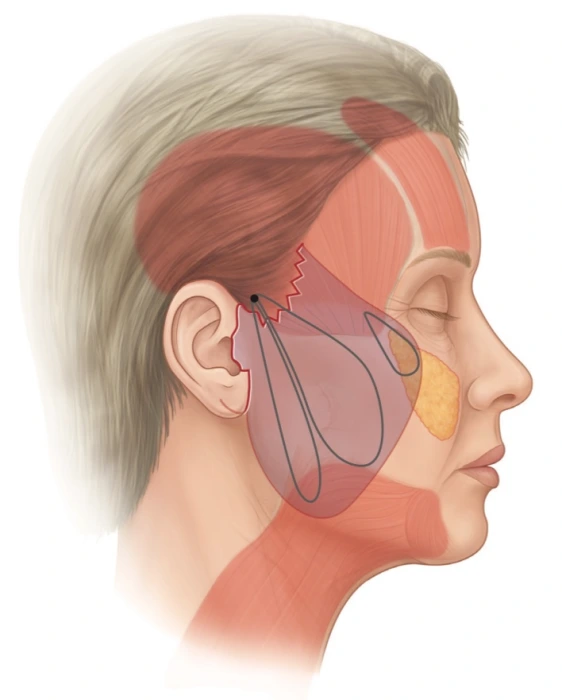
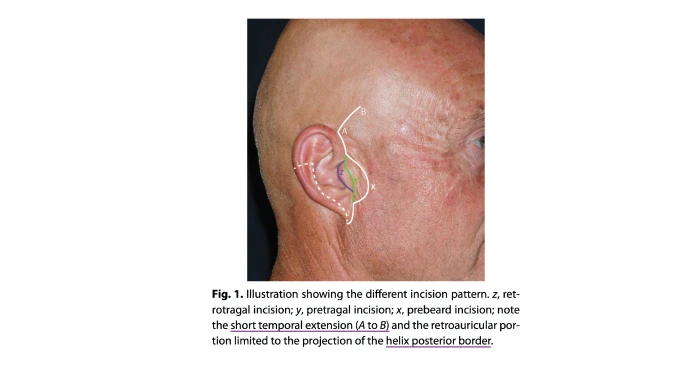
Example of limited incision rhytidectomy
To achieve a visible lifting effect through such a small opening, surgeons often resort to pulling the tissue purely vertically. This leads to two major issues.
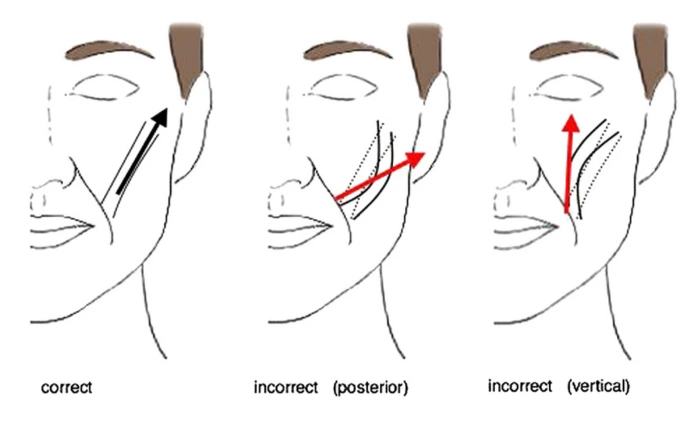
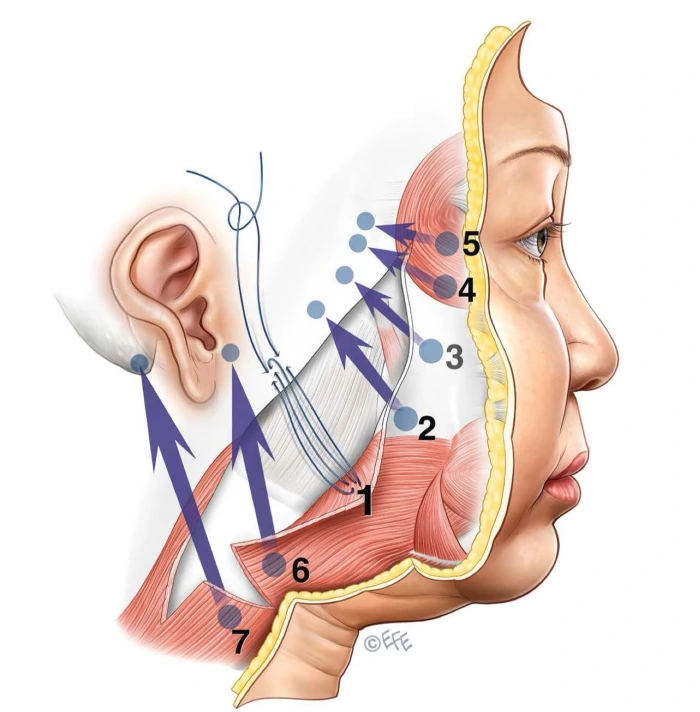
Correct SMAS elevation direction vs. incorrect direction: Pulling the fascia vertically is contrary to the normal direction of facial muscle movement (Reference)
Unnatural SMAS Movement
The SMAS (Superficial Musculoaponeurotic System), which controls facial expressions, should naturally move in an oblique (diagonal) direction.
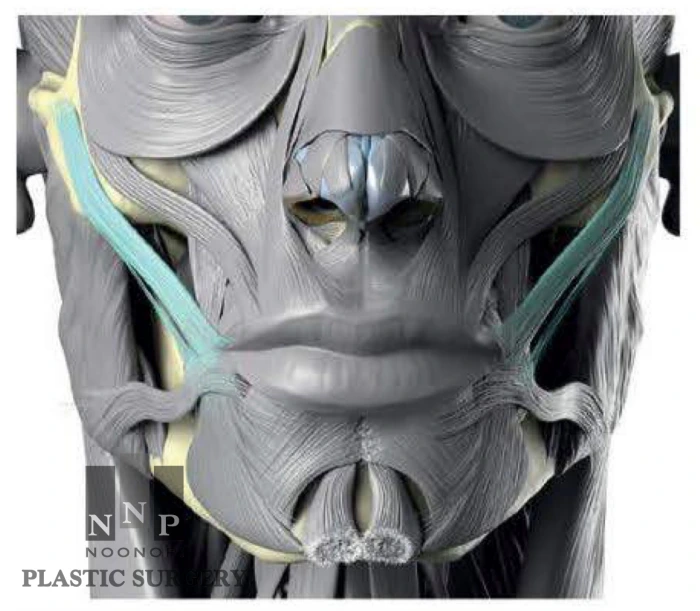
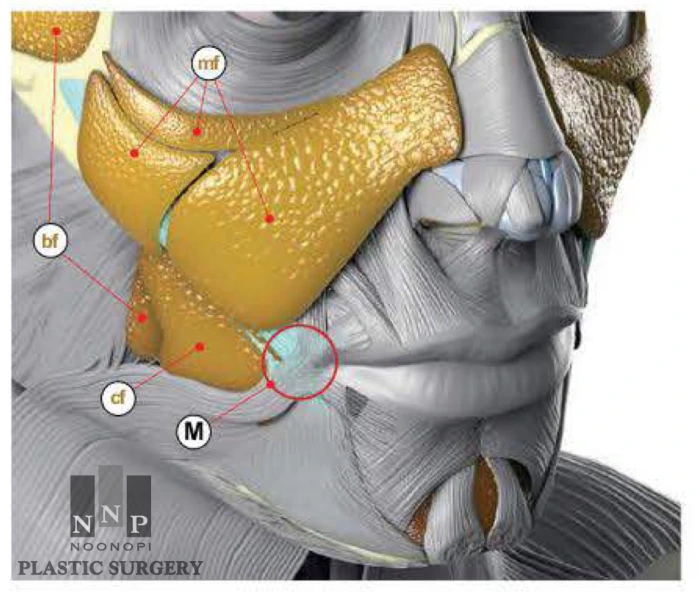
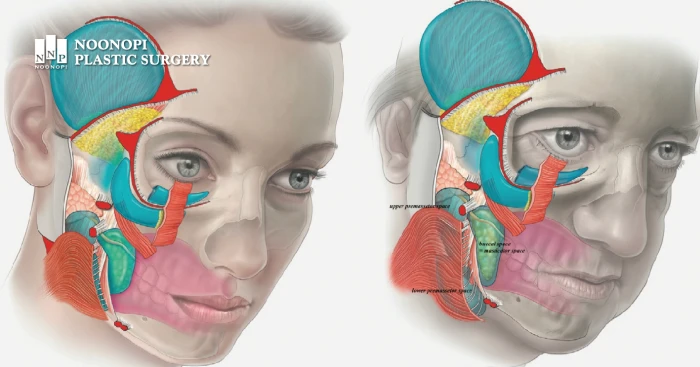
The Zygomaticus major muscle (highlighted in light green): The vector of the SMAS pull directly affects this muscle.
Pulling it vertically contradicts the natural kinetic path of facial muscles, often resulting in an "operated" or "frozen" look.
Illustration of facial fat compartment affected by the pulling direction (vector) of SMAS
The "Bunching" Phenomenon
Imagine a long skirt that is too long for you. To make it fit perfectly, you must trim the entire hem. If you only trim a small portion and try to pull the rest up, the excess fabric will inevitably bunch and ripple. The face is no different. Failing to excise enough redundant skin and forcing it into a small incision area causes unsightly skin bunching around the ears and sideburns—a flaw far more noticeable than a well-healed deep plane face lift scar.
Article introducing a limited incision in balding patients due to concerns about incision scarring (Reference)
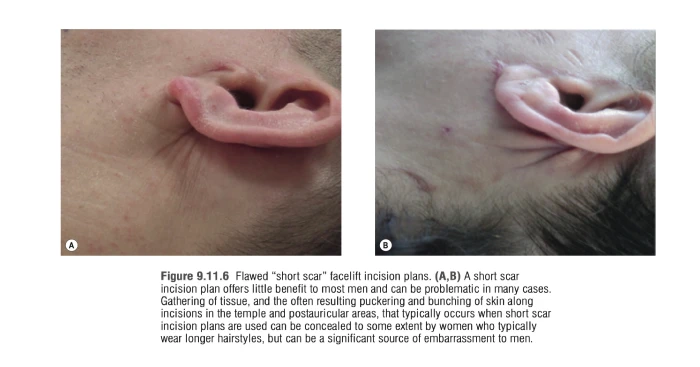
Even in the method of above article where incisions are longer than a standard mini facelift, skin bunching is frequently observed.
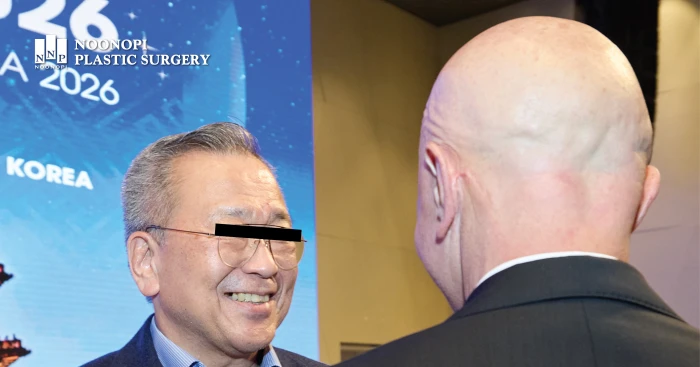
Actual case from the author of the above article - Skin lumps observed behind the ear (From: 2026 APS event)
This highlights the dilemma of mini lifts: Pulling enough skin causes bunching, while avoiding bunching results in no lifting effect.
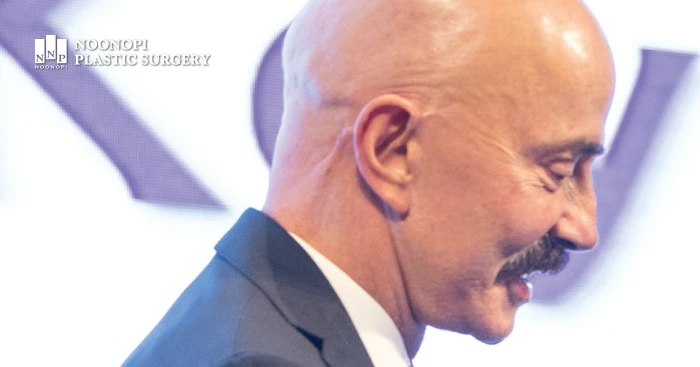
Real cases showing skin bunching after mini incision technique (Textbook)
Error 2. Limited Visibility: No Ligament Dissection but Threads
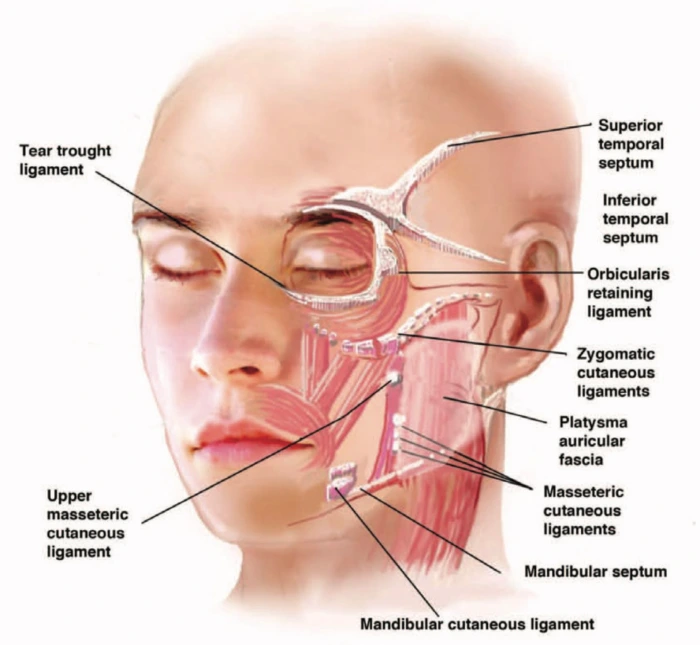
The core of a successful face lifting is the release of facial retaining ligaments and the anatomical repositioning of saggy tissues under clear visualization.
Facial ligament surgeon should consider during the procedure
However, a short incision creates significant blind spots.
Why Some Facelift Clinics Combine Thread Lift During Mini Lifts?
"My surgeon told me that since it's a 'mini' lift, I'd need a thread lift to go along with it!"
While consulting with patients for revision face lifts, I frequently hear stories like this from those who had their initial surgery elsewhere. Because a mini-lift involves a shorter incision, the surgical field is inevitably limited. If the retaining ligaments beneath the SMAS are not properly released due to this restricted visibility, the saggy tissue cannot be effectively lifted upward. To compensate for this limitation, some clinics specializing in mini-lifts frequently use lifting threads during the procedure to provide that extra pull.
I'm sure these procedures are done with the patient's consent, but logically speaking—isn't the reliance on threads just a 'band-aid' for the inherent flaws of a mini-lift?
Describe a diagram combining a mini-face lifting and a thread lift (this image is used for illustrative purposes).
It feels like a way to make up for the lack of precise dissection that this technique simply can't provide.
The Durability Issue
This makes the procedure more of a "thread lift with a small cut" rather than a true face lift. Without properly releasing the retaining ligaments—the "anchors" of the face—the results are short-lived. This lack of longevity is one of the most common causes of mini facelift dissatisfaction.
Aging is a global process; it doesn't happen in isolation. While jowls or nasolabial folds might be the most prominent, the entire soft tissue of the face descends as a unit.
Illustration of facial change with aging
Inability to Address Overall Aging Change
For patients in their 40s and beyond, especially those with significant skin laxity, a ponytail lift or mini incision rarely provides a satisfactory outcome.
The Contrast Problem
Lifting only a single, isolated area often creates an unnatural contrast with untreated tissue, which can leave the face looking disproportionately wide or 'uncanny.' For middle-aged patients, a comprehensive face lifting—which prioritizes structural integrity over the 'sweet talk' of a short incision Vertical Restore Facelift—is far more effective at achieving a harmonious and lasting restoration.
Conclusion: The Value of the "Golden Standard" at Noonopi
A "short incision" does not automatically mean "less scar." The secret to minimizing facelift scars is not the length of the cut, but the precision of the deep-plane dissection that allows for tension-free closure of the skin. When these fundamental principles are followed, we can achieve exceptional, nearly invisible results—even in challenging cases like bald male patients where there is nowhere to hide the scar.
A mini facelift performed without careful consideration of your degree of sagging and skin condition can ultimately become a fast track to revision surgery. I encourage you to have an in-depth consultation with an experienced and honest plastic surgeon to find the plan that truly fits your face.
"3 Flaws of a Mini should be planned with your individual anatomy, goals, and recovery process in mind."
FAQ
Frequently Asked Questions
QWhy do mini facelifts often result in "skin bunching" or unnatural looks?
Mini facelifts use short incisions that force a purely vertical pull. This contradicts the natural diagonal movement of facial muscles and causes excess skin to gather and ripple around the ears, known as the "bunching" phenomenon.
QIs a ponytail lift the same as a comprehensive facelift?
No. A ponytail lift or mini facelift often relies on threads because of limited visibility. A true Deep plane Facelift releases the retaining ligaments to anatomically reposition tissue, providing significantly longer-lasting results.
Plastic Surgery Expertise You Can Trust
Discover the best version of yourself with Noonopi Clinic. Get a personalized evaluation and safe, natural-looking results from a premier board-certified plastic surgeon in Korea.
Individual results may vary. All medical procedures carry potential risks, side effects, and complications. Please consult a qualified medical professional.